
The Quiet Season
When the land slows, the light changes, and stories take a quieter form.

Autumn’s last breath carries a stillness you can almost hear. The trails empty, the smoke hangs low, and the sun finds a softer path across the sky. For those of us who live and work by light, this is where everything changes—the pace, the tone, the story itself.
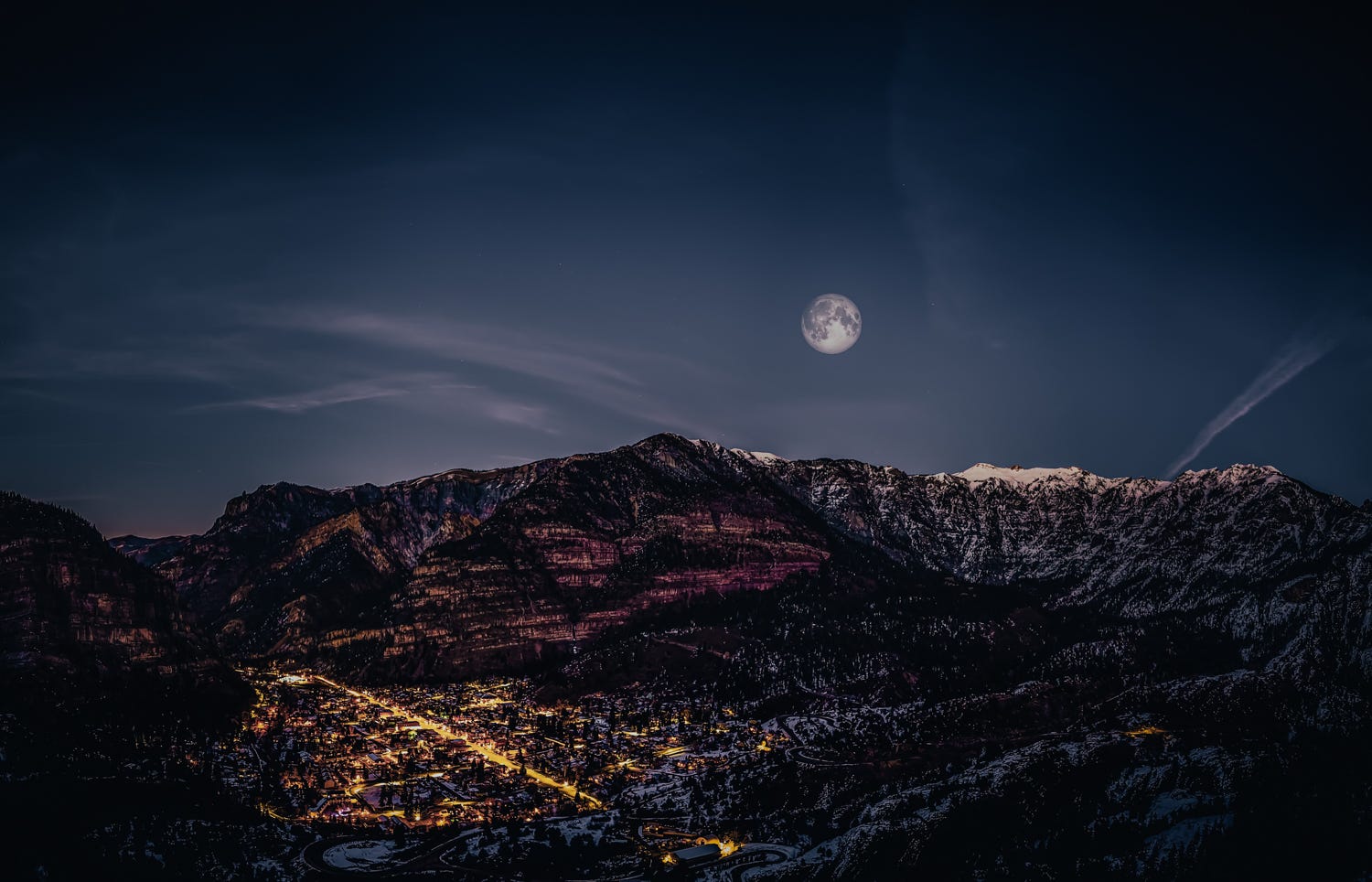
The quiet season comes slowly. One evening the moon rises over cold ridgelines, the air sharper, the color gone thin. Summer feels like a memory. You start to notice how the world begins to hold its breath. The mountains keep their shape, but the light—always the light—turns gentler, lower, closer to earth.
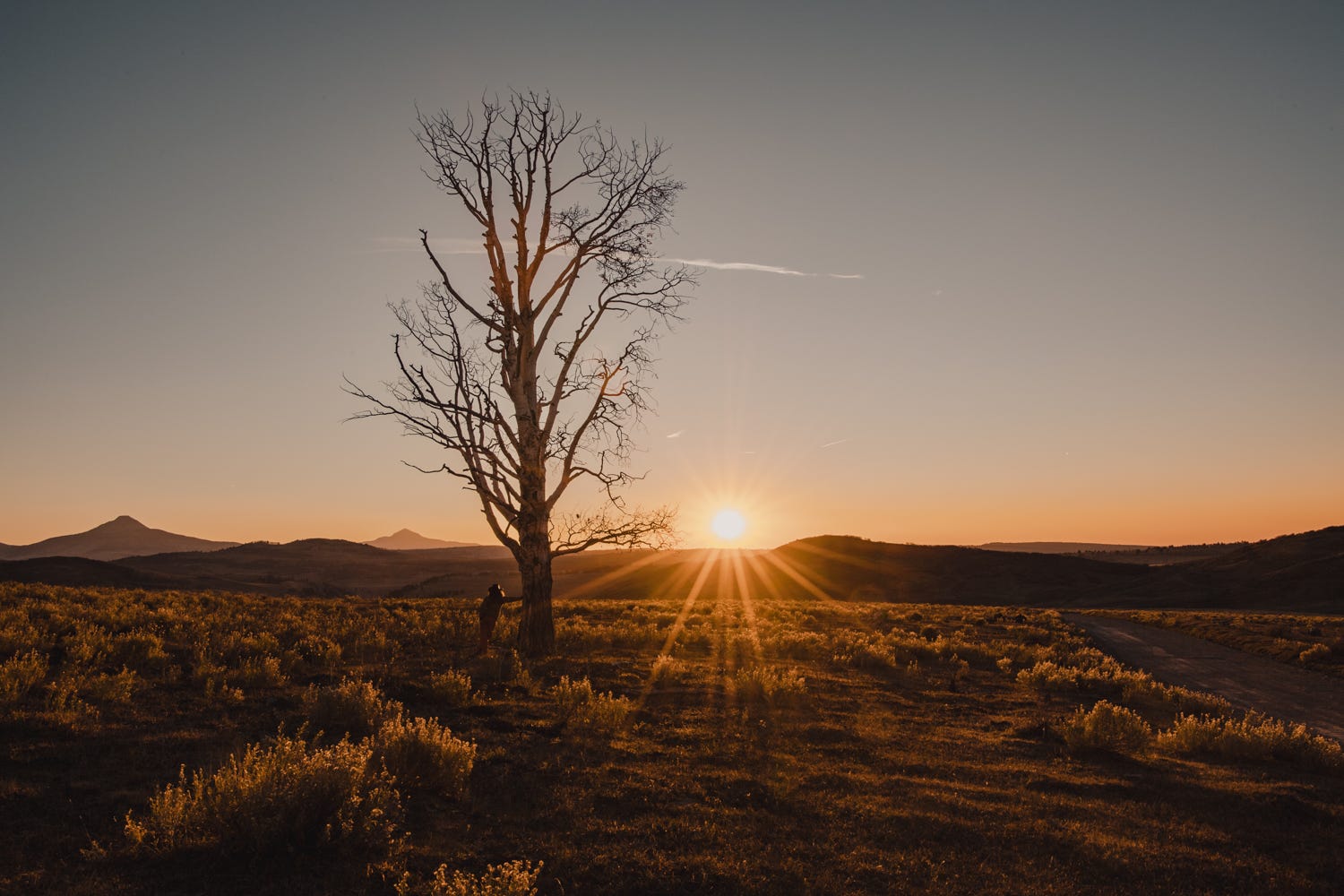
The sun doesn’t climb as high anymore. By mid-afternoon, it already leans toward twilight, painting the sage and cottonwood with that honeyed tone only October knows. I no longer have to chase late evenings like I did in July. Good light arrives earlier now, softer and more deliberate. It asks for patience, not urgency.
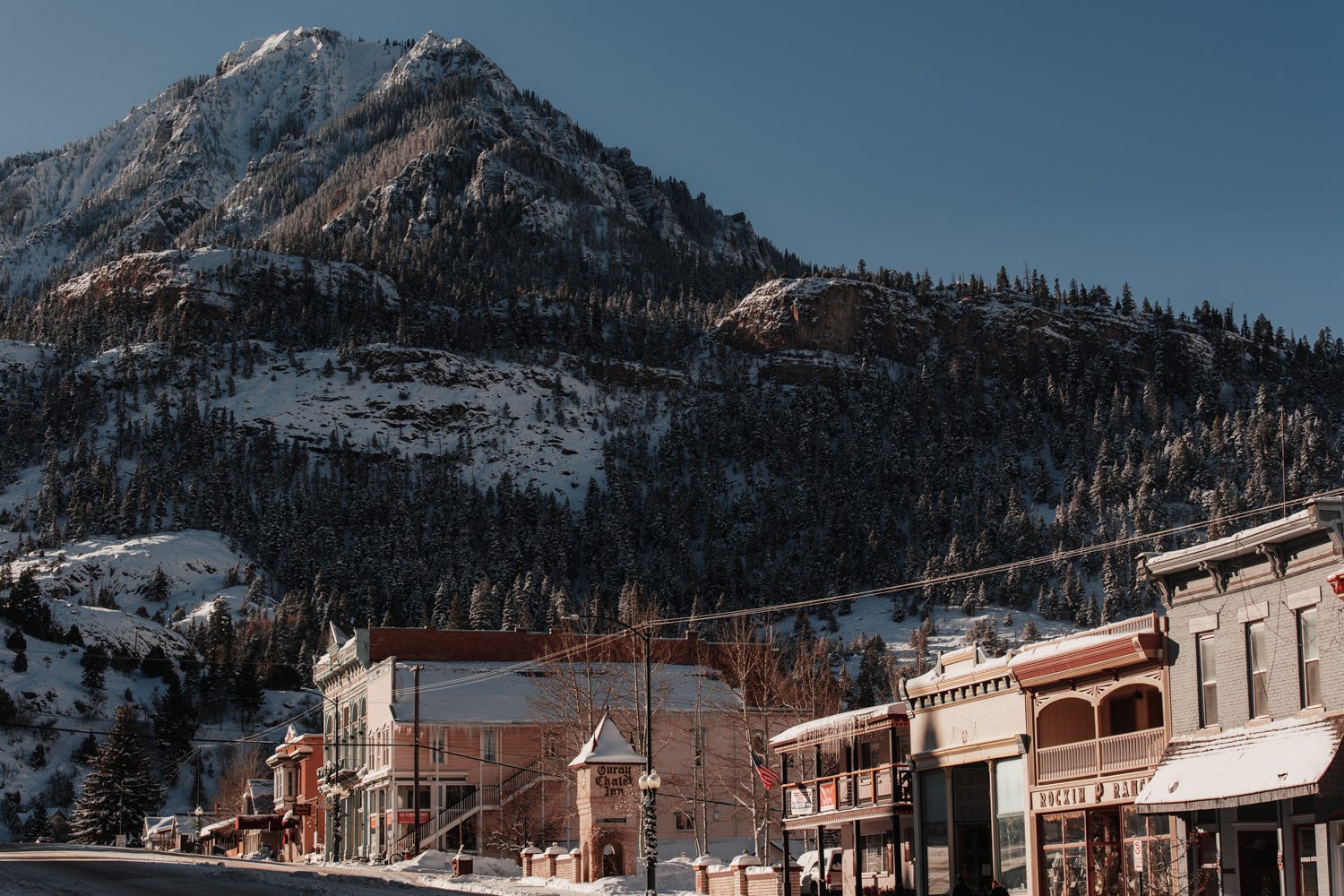
Down in town, life mirrors the change. Shop windows go dark earlier, boots trade dust for slush, and Main Street echoes with footsteps instead of engines. It’s the West without an audience—a private season for those who stay when the rest of the world heads home.
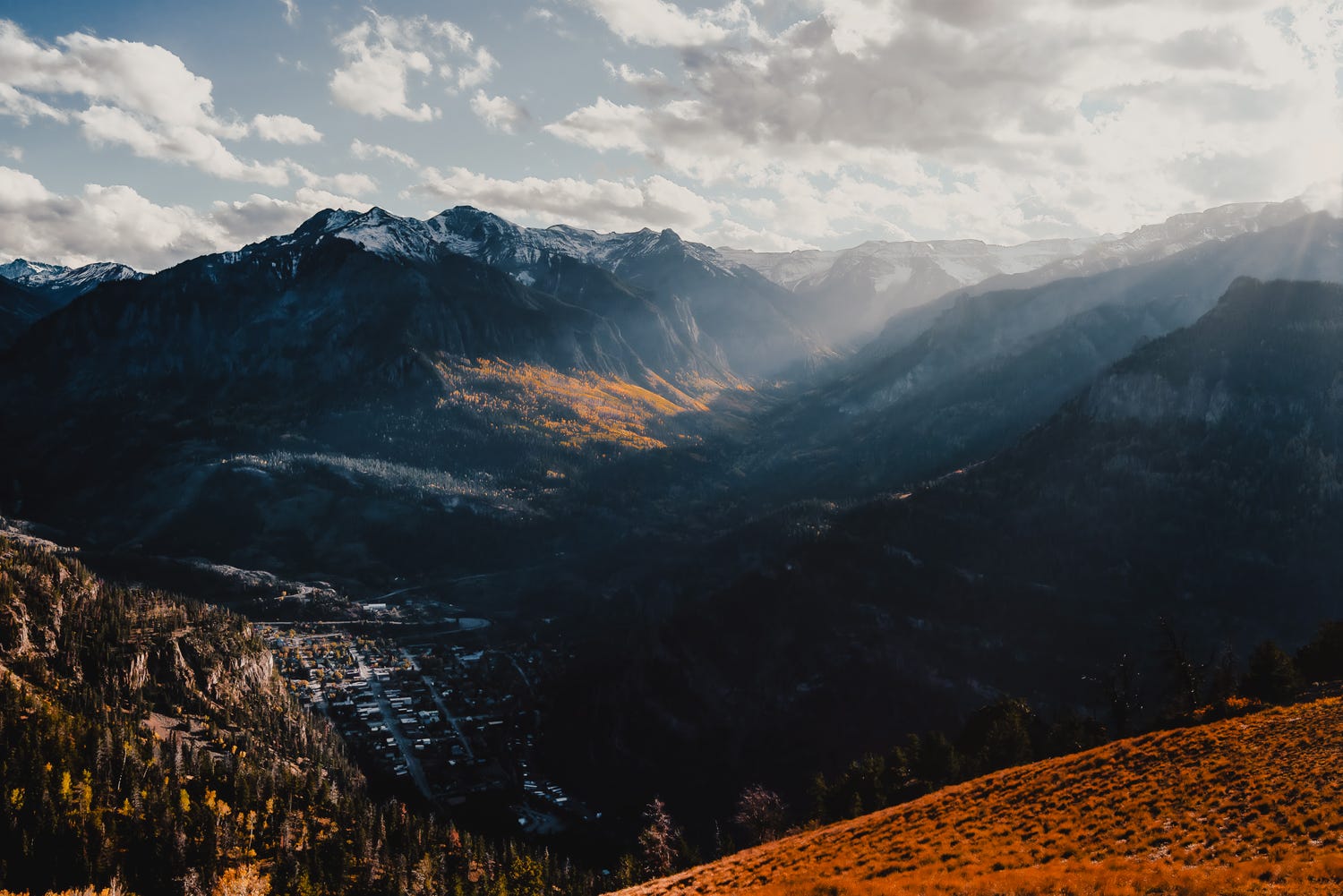
For photographers, this is the turning point. The sun’s lower arc reshapes everything—the way snow glows blue in shadow, the long reach of evening light across timbered slopes. The West becomes a study in contrast and calm. Each frame feels less like a chase and more like an observation.
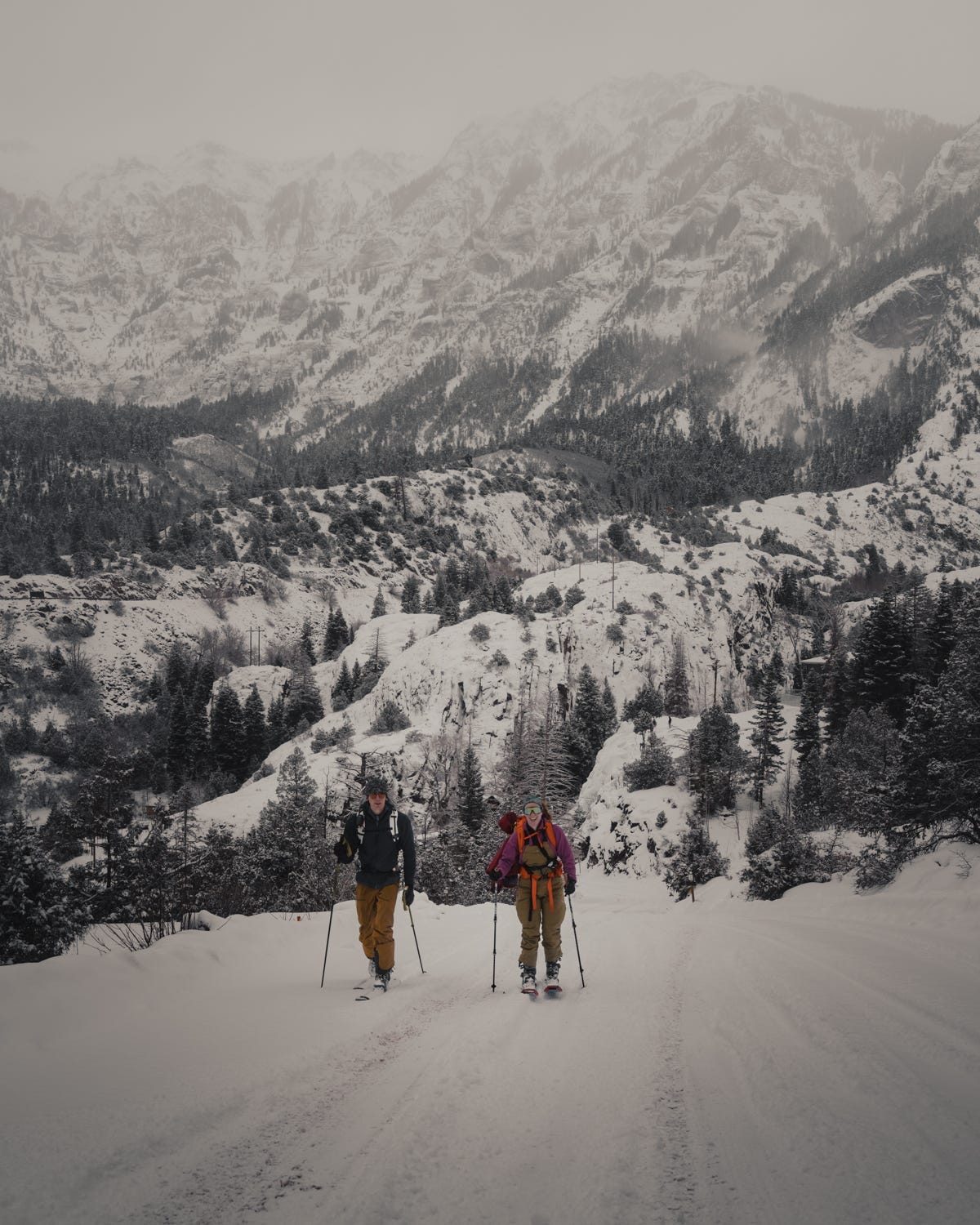
The quiet doesn’t mean stillness. Out on the trails, you’ll find movement in smaller gestures: a pair skinning up Camp Bird Road. The fun continues, only slower, steadier—like the season itself.
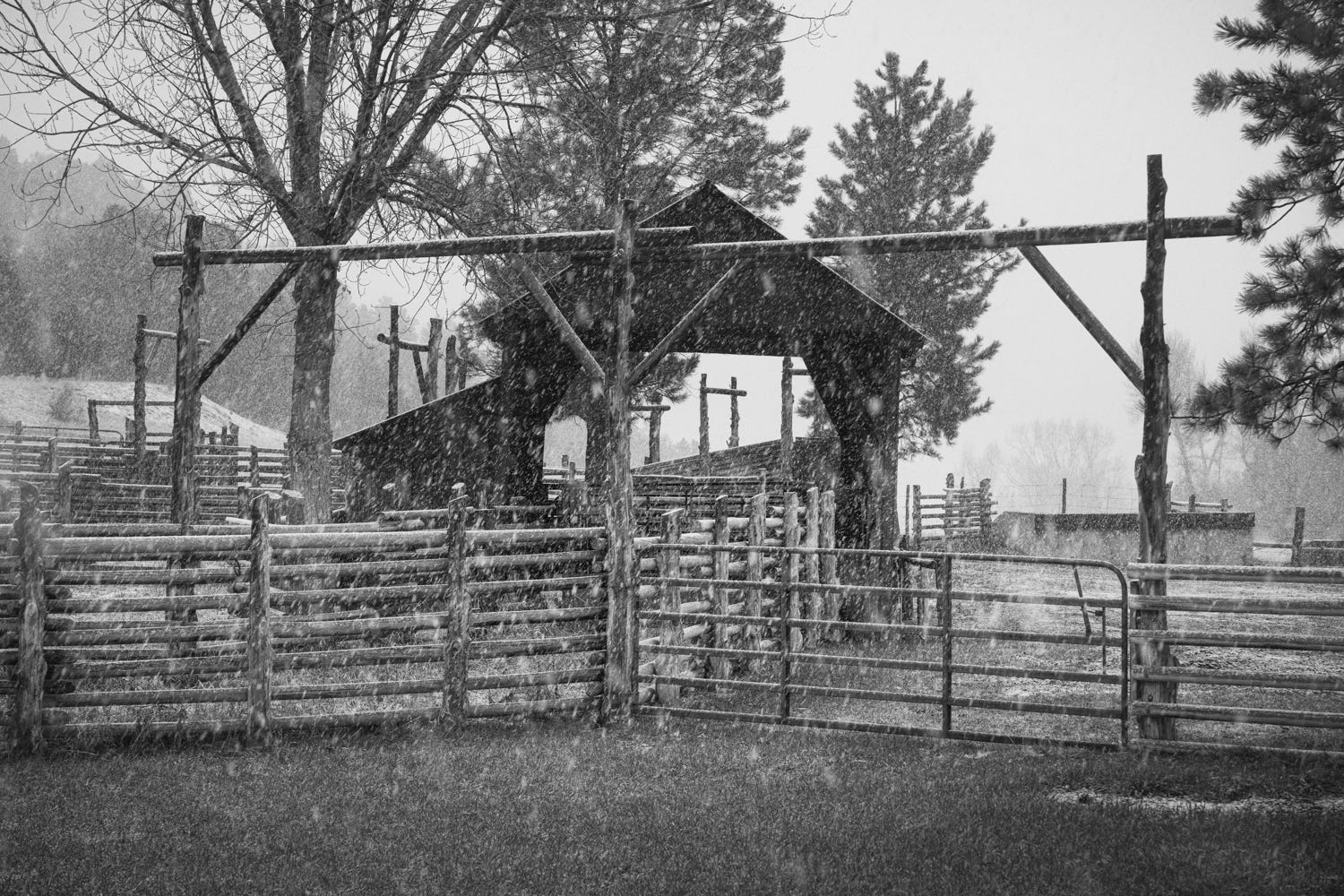
Ranches settle into rhythm. Corrals stand empty but not forgotten. The creak of timber in the cold carries farther when there’s no wind to compete. It’s a good reminder that even silence has its own sound if you’re willing to listen.
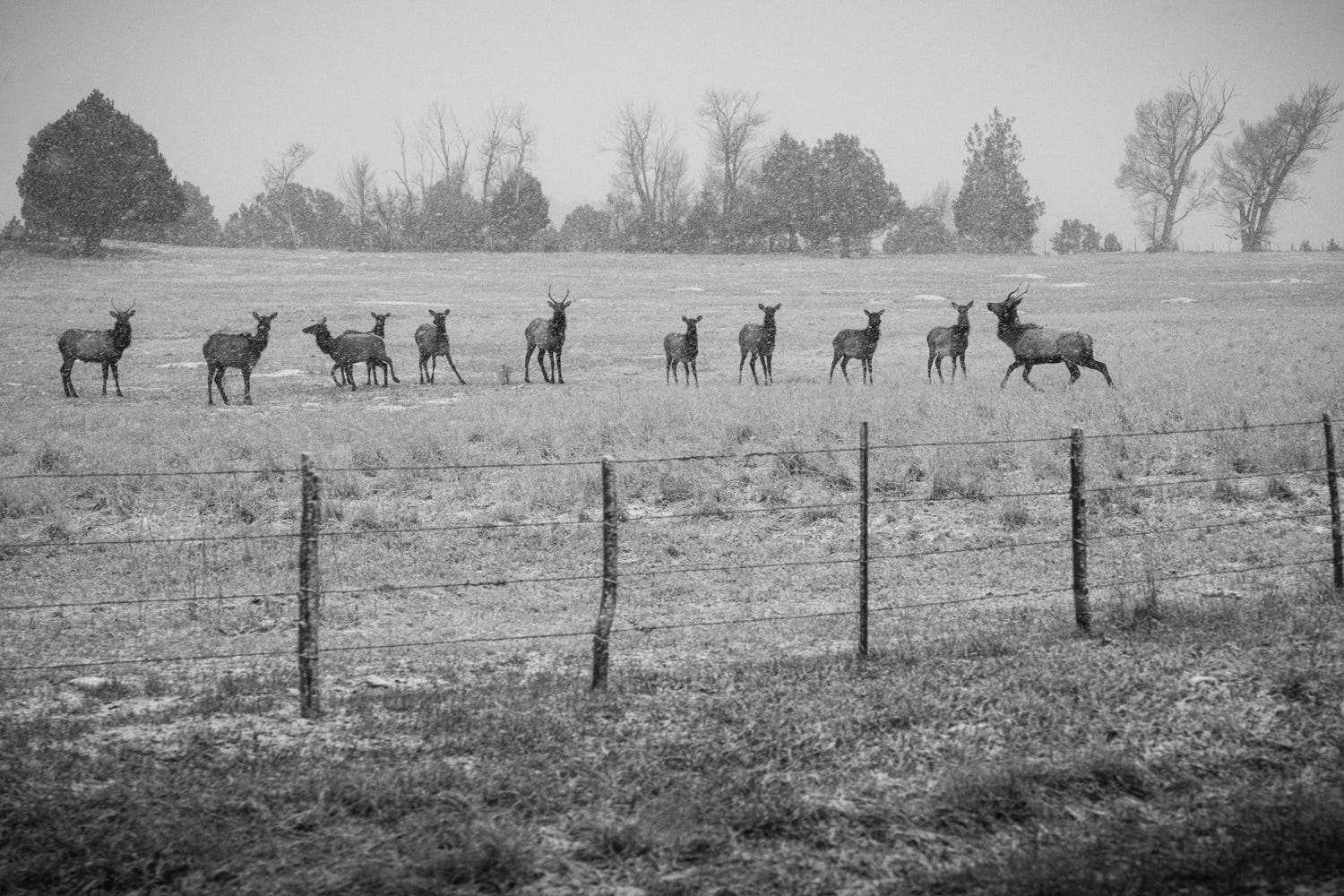
The animals know it too. They gather tight, dark shapes against pale fields, patient as winter approaches. There’s no rush in their world, just instinct and endurance. Watching them teaches you something about balance—about meeting the season where it is instead of where you wish it would be.
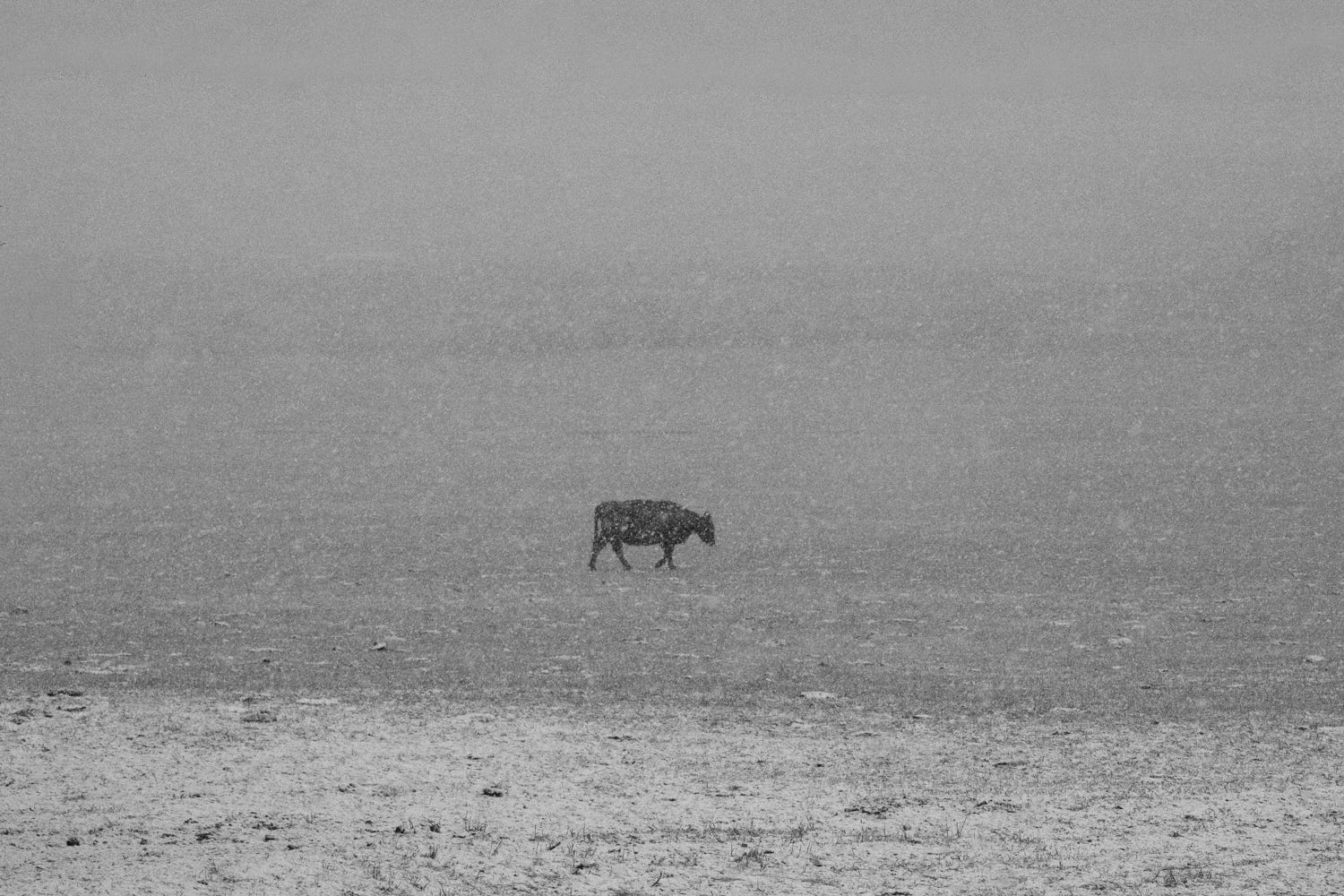
And then there are days when the world disappears altogether—fog swallowing fences, snow softening every edge until it’s just you, the cold, and the slow heartbeat of the land. That’s when the West feels its truest. Nothing to prove, nothing to perform. Just presence.
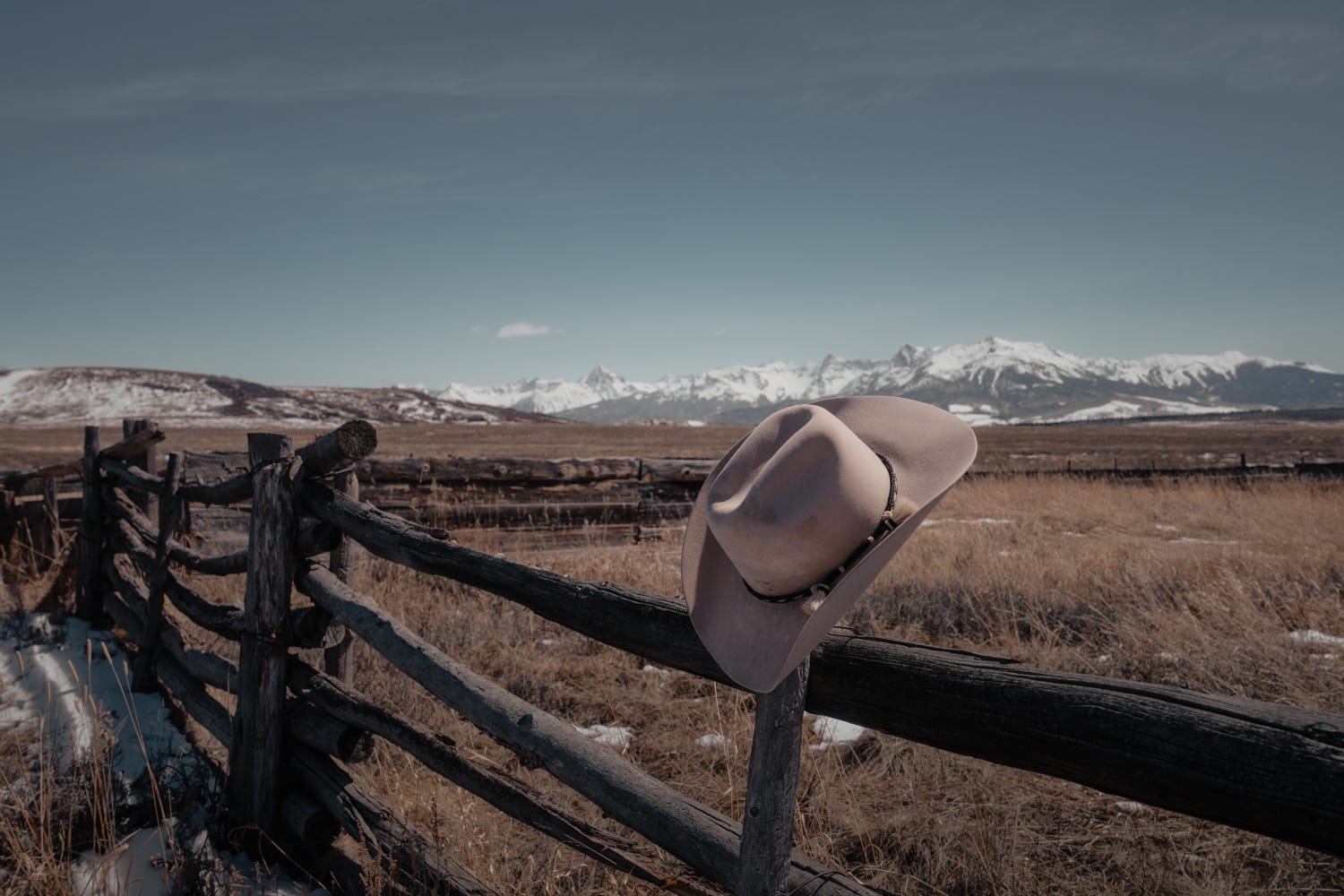
By the time the sun returns higher in the sky, the stories will have changed. The quiet season does that—it strips things down to what matters, in work and in life. The light shifts, the subjects change, and the stories you tell start to carry more honesty than noise.
The quiet season reminds me that photography isn’t always about motion or spectacle. Sometimes it’s about standing still long enough to notice what’s left when everything else has gone quiet.
— Markus Van Meter | The Western Lensman Dispatch