
From Snow to Firelight
A Commercial Story About Experience, Craft, and Brand Alignment

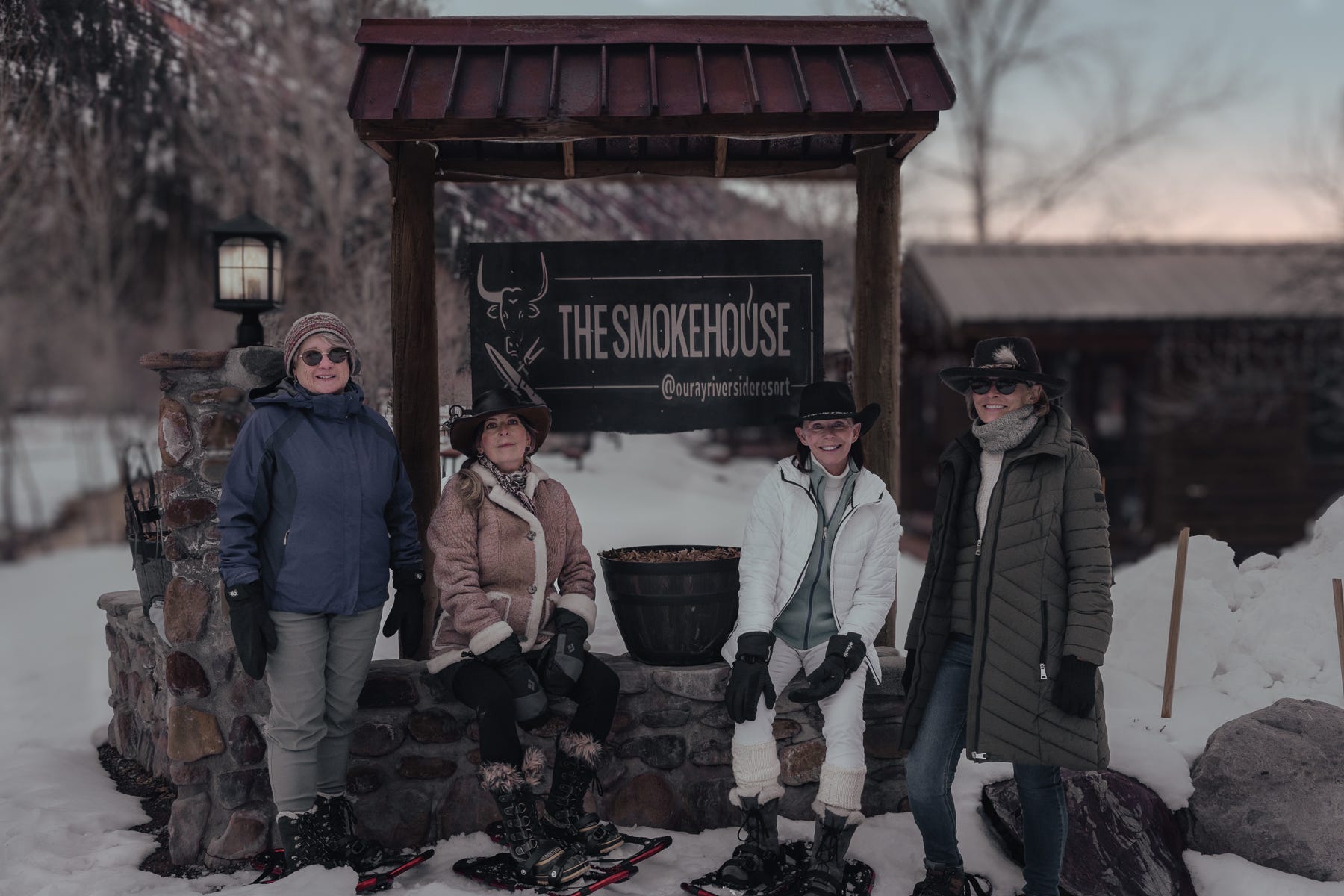
This shoot wasn’t about snowshoes or fondue.
It was about experience design.
When a brand brings me in, especially in a hospitality or lifestyle context, the goal is never a single hero image. The goal is to translate a feeling, a sequence, and a promise into a visual story that feels cohesive across platforms.
This project moved from cold mountain air to warm interior light, from movement to stillness, from activity to reward. That arc was intentional.
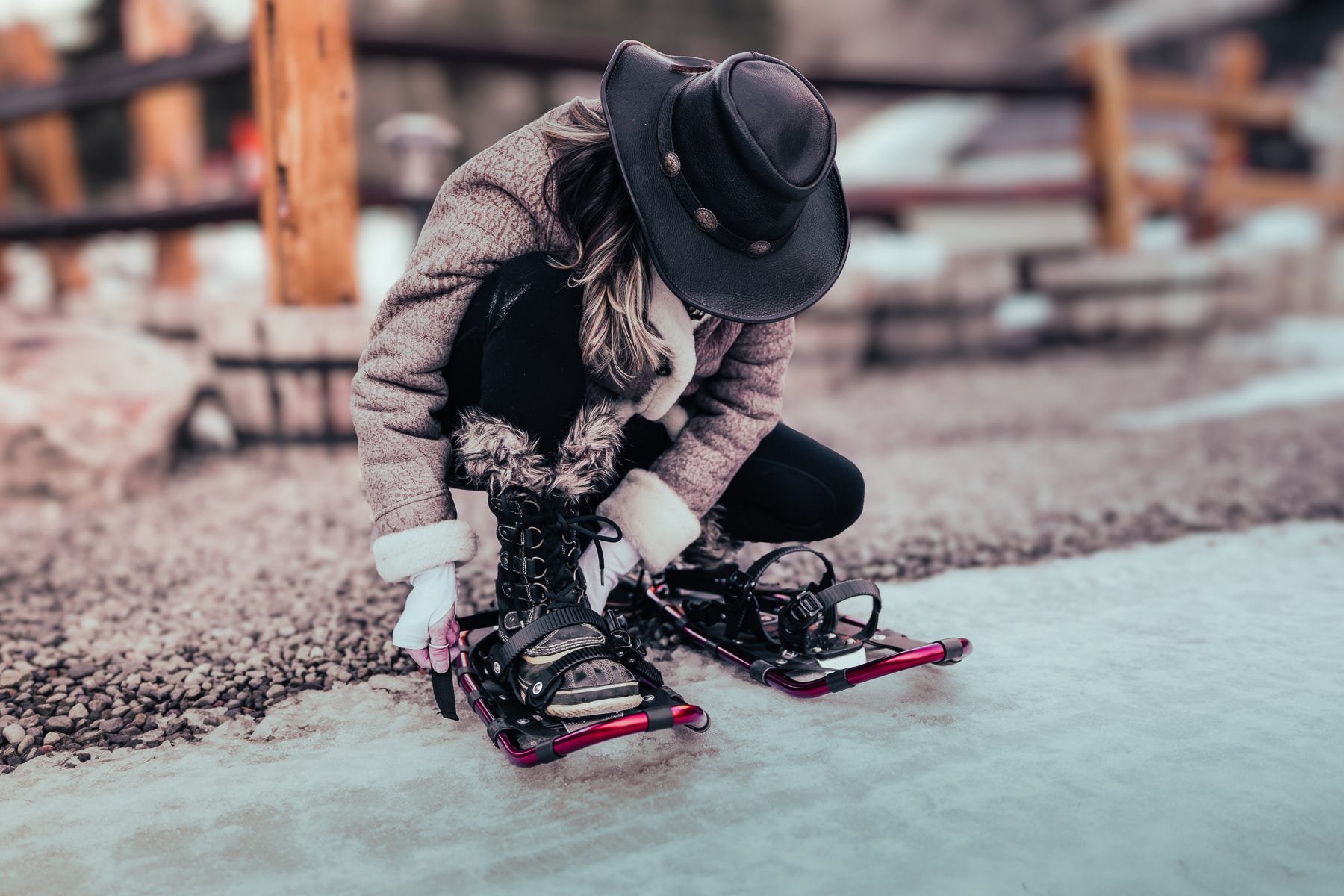
Commercial Photography Is Casting, Not Capturing
Every subject in this shoot was treated as a model, even though none of them were professional models.
That’s an important distinction.
In commercial storytelling, authenticity doesn’t mean chaos. It means direction without stiffness. People need to know where to stand, how to move, and when to forget the camera entirely. My job is to create that environment.
Wardrobe was neutral, layered, and seasonal. No logos fighting for attention. No distractions pulling focus away from the experience itself. The goal was to create imagery that could live comfortably on a website hero, a social campaign, a printed brochure, or an editorial feature without needing explanation.
That’s brand longevity.
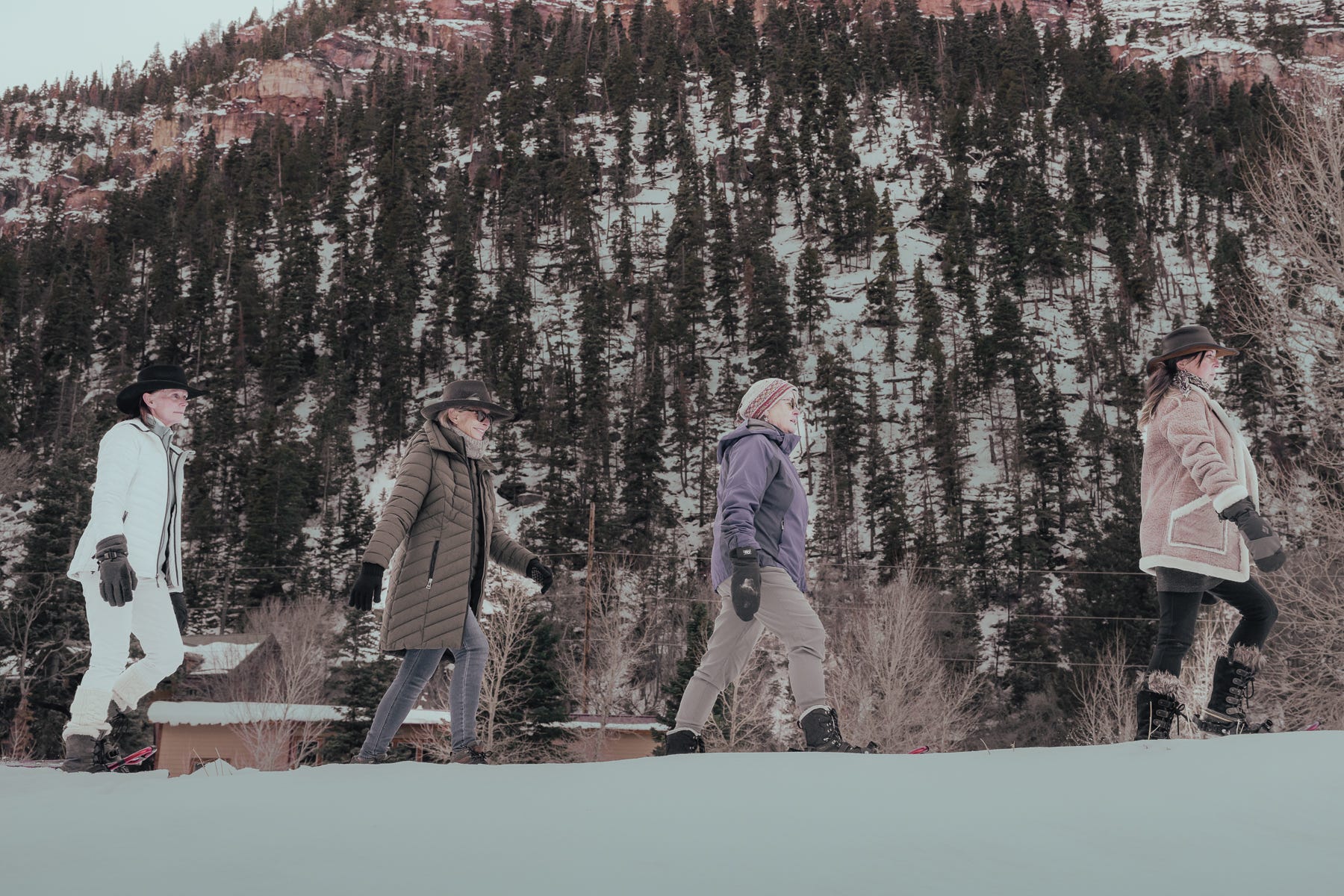
Storytelling Happens Between the Frames
The sequence mattered more than any single image.
Preparation. Arrival. Motion. Pause. Transition. Reward.
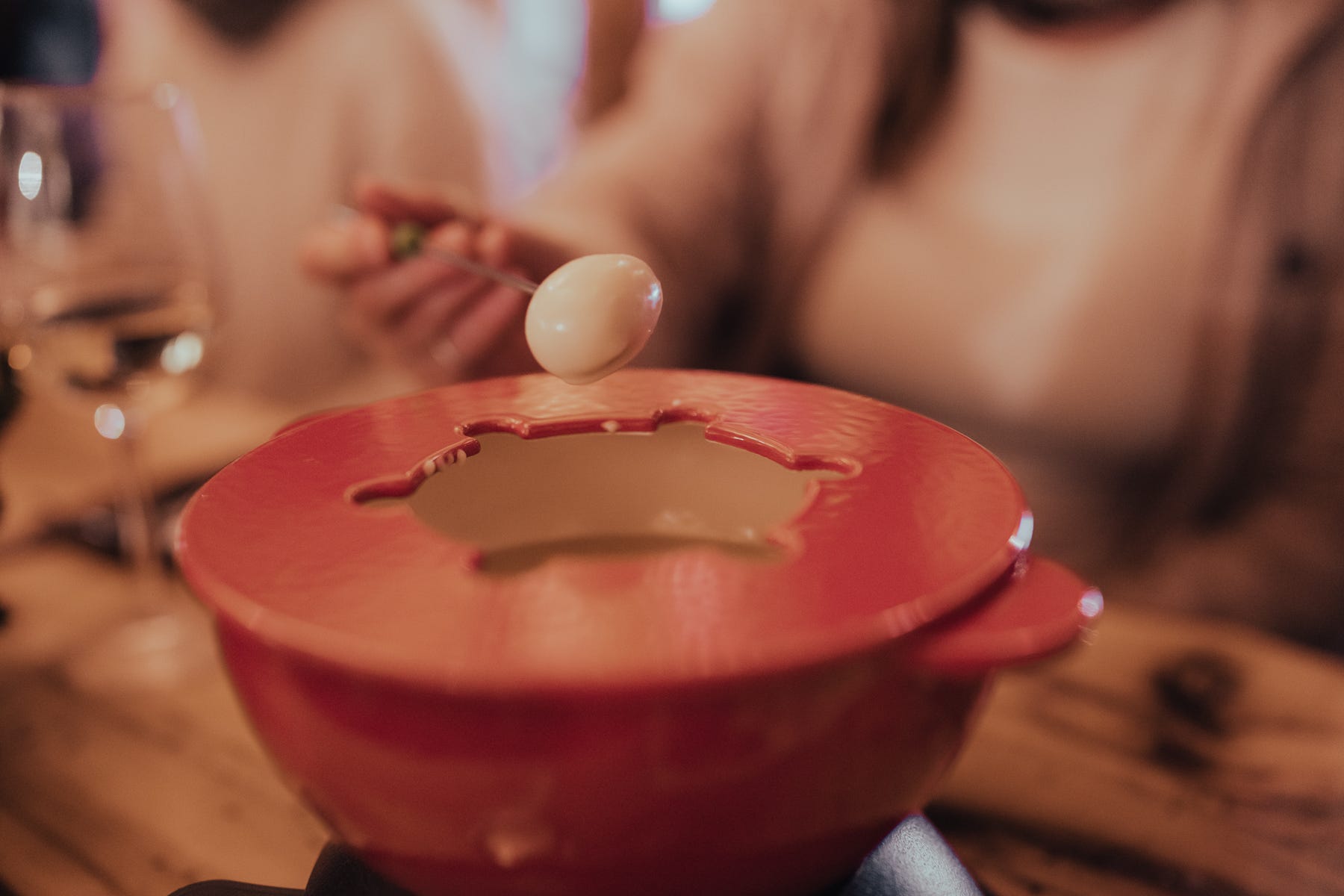
The outdoor frames were designed to feel open and quiet, giving space to the landscape and reinforcing place. The interior frames were warmer, tighter, and more intimate. You can feel the temperature change. You can feel the shift in pace.
That contrast is where the story lives.
If the entire set had stayed outdoors, it would have been scenic but forgettable. If it had stayed inside, it would have lacked context. Together, the images create a complete experience, one that mirrors how a guest actually moves through the offering.
That’s how you build trust with an audience.
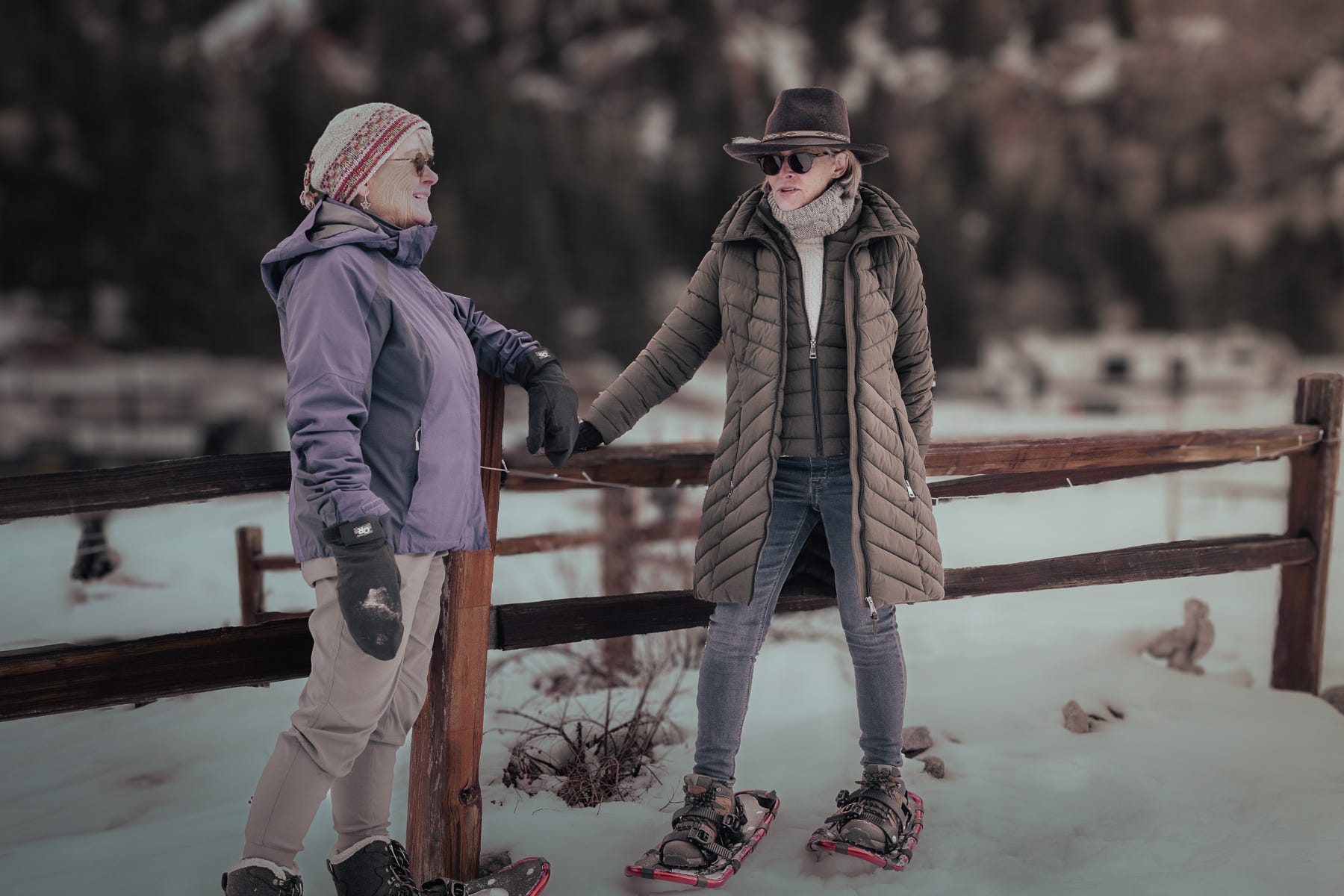
Why I Shoot Sony Alpha for Work Like This
Sony’s Creator philosophy aligns with how I approach commercial work.
I’m not chasing technical perfection for its own sake. I’m chasing responsiveness. Fast autofocus means I can stay engaged with people instead of managing equipment. Strong low-light performance means I can preserve natural atmosphere rather than overpower it with artificial light.
Most of this shoot was done with a single prime lens. That constraint keeps me moving, observing, and reacting instead of over-engineering the scene. Sony’s system disappears when it needs to, and that matters when you’re working with real people in real environments.
The camera should never become the center of attention. The story should.
Brand Development Is Consistency Over Time
What makes a shoot commercially valuable isn’t how it looks on launch day.
It’s how it holds up six months later.
These images were built to scale. They can support social media, web updates, email campaigns, print pieces, and future seasonal refreshes without needing to be replaced immediately. That’s a strategic decision, and it’s one I make with every brand I work with.
Good commercial photography doesn’t shout. It reinforces.
The Takeaway
This shoot is a reminder of why I enjoy commercial storytelling so much.
It sits at the intersection of art and utility. It demands creative restraint, clarity of vision, and an understanding of how images live beyond the moment they’re captured.
Whether I’m working with a resort, a golf club, or a lifestyle brand, the objective stays the same:
Create imagery that feels human, intentional, and aligned with the brand’s long-term identity.
That’s the work.
That’s the craft.
And that’s the kind of storytelling I’m focused on building.
View the full image set from this project here at
markusvanmeter.com